Shakespeare
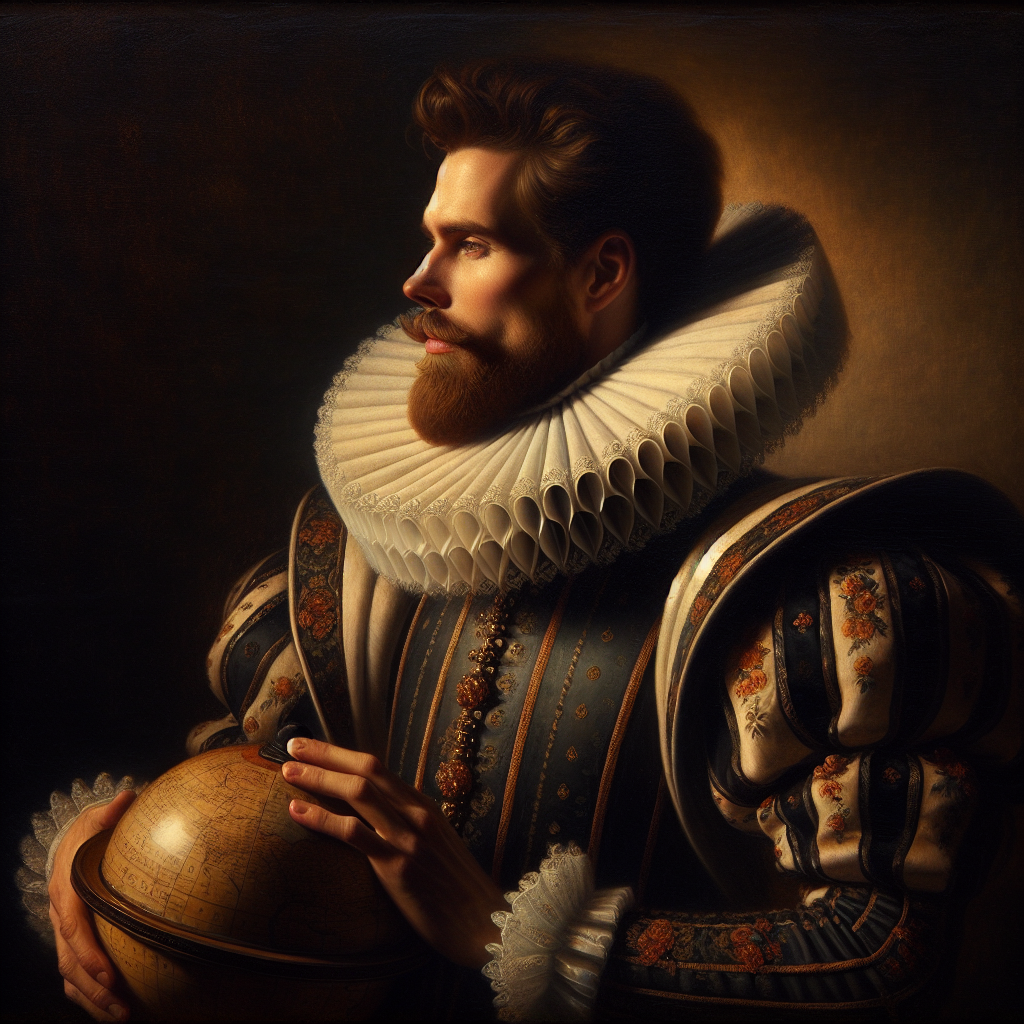
-
We have reached #EuropeanBios entry number 50; we are roughly two-thirds of the way through this project, which has been going for 18 months(!) now. Today's entry is William Shakespeare, a wildly creative genius and, unusually for this series, not notably an asshole.
-
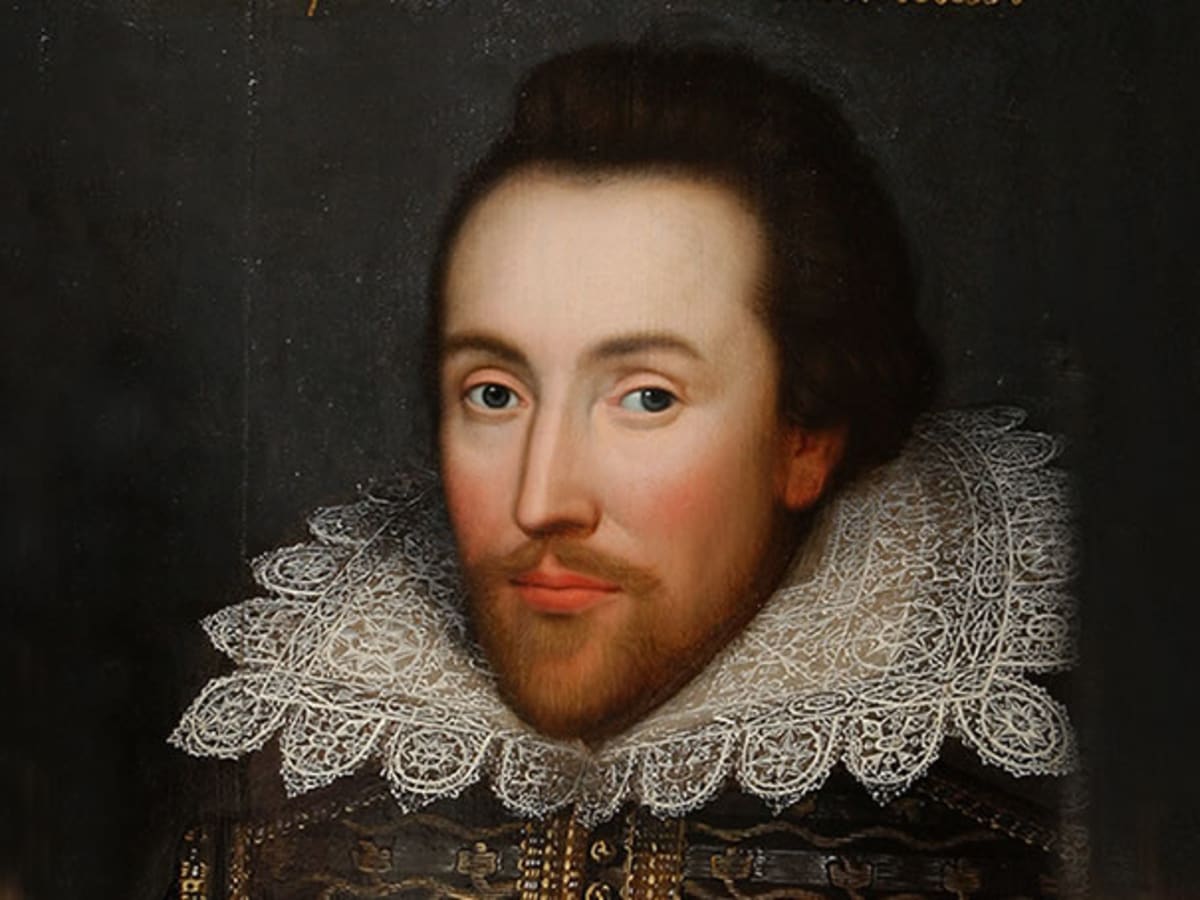
Portrait of William Shakespeare, the Cobbe portrait, c.1610 public domain -
It's been my habit in these threads to come up with some mildly insulting abbreviation for my subject but in fact most of Shakespeare's contemporaries really did call him "Will", it's in stage notes and pay stubs and it's only 4 letters long, valuable when your medium is Twitter.
-
Will was born in 1564, 31 years after our previous wildly popular subject Elizabeth 1, so about 6 years after she became Queen. It is fun contrasting their two wildly differing experiences of the same time in history.
-
Like nearly everyone in history who had sufficient education and time to do creative things, Will was born rich. His father was a successful glove-maker and his mother came from a rich land-owning family. He attended high school but not – this will become important – university.
-
Will got married at what we'd now consider a very young age, 18, but was pretty normal at the time. What was unusual was that his wife, Anne Hathaway, was 8 years older than him. Sexist historians made almost no records of Anne; we don't even know what she looked like.
-
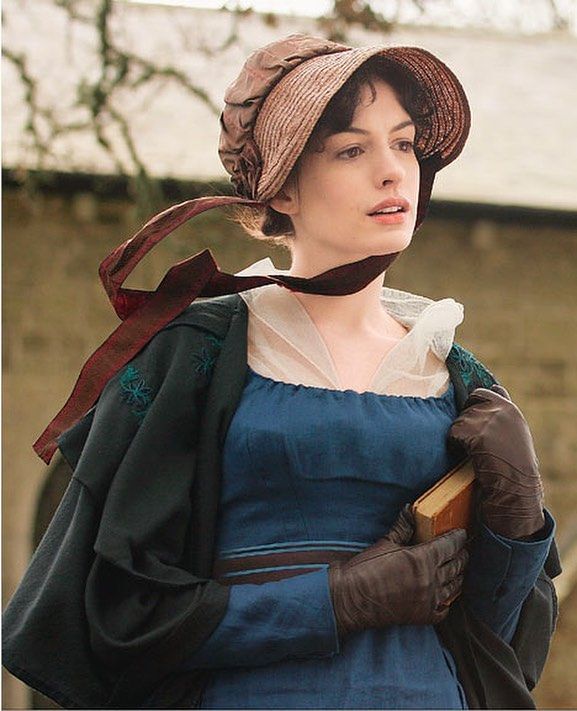
Anne Hathaway (actress) in period costume, used humorously since the historical Anne Hathaway left no known portraits Licensed from film production -
Will took a few odd jobs, possibly training in the law, maybe doing some time as a schoolmaster, but always interested in the theatre and aware of his own talents. He was driven to make use of them, and so went to London sometime around age 28, leaving his wife and kids behind.
-
Will had 3 kids: Susanna, Judith and Hamnet, sometimes spelled "Hamlet". Hamlet died at age 11 in 1596 and 3 or 4 years later Will wrote a play, called Hamlet, all about death and fathers and sons, move along Doctor Freud, there is surely nothing to see here.
-
I don't know about you, but I was under the impression that Shakespeare kind of invented English theatre, but in fact theatre was a fast-growing industry in London well before he arrived, and his Globe theatre was nowhere close to the first.
-
London in the 1590s was a live-fast die-young town in a very literal sense; life expectancy was only 40, infant mortality was extremely high, and there were frequent outbreaks of bubonic plague that carried people off without warning. Half of people were aged under 20.
-
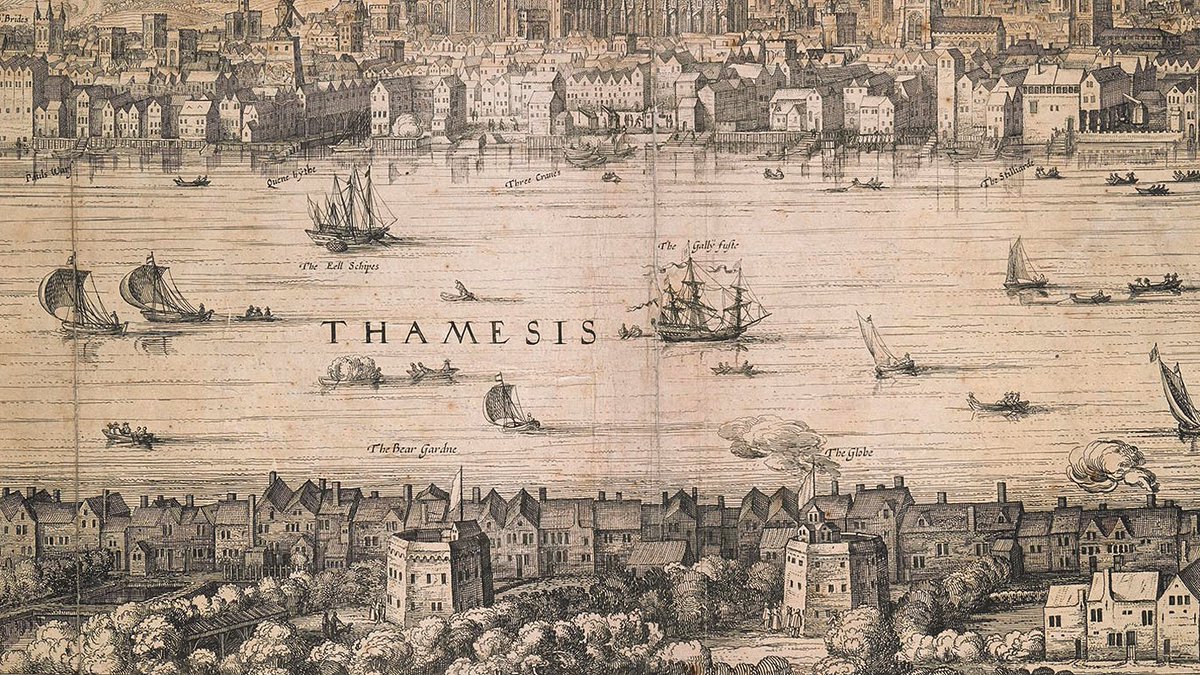
Panoramic view of London along the Thames (Thamesis), c.1616 public domain -
It is impossible to overstate the degree to which plague shaped Shakespeare's life. London was constantly shutting down all the theatres to prevent plague, forcing the actors to travel to other towns to find work. Various friends and business associates died of it.
-
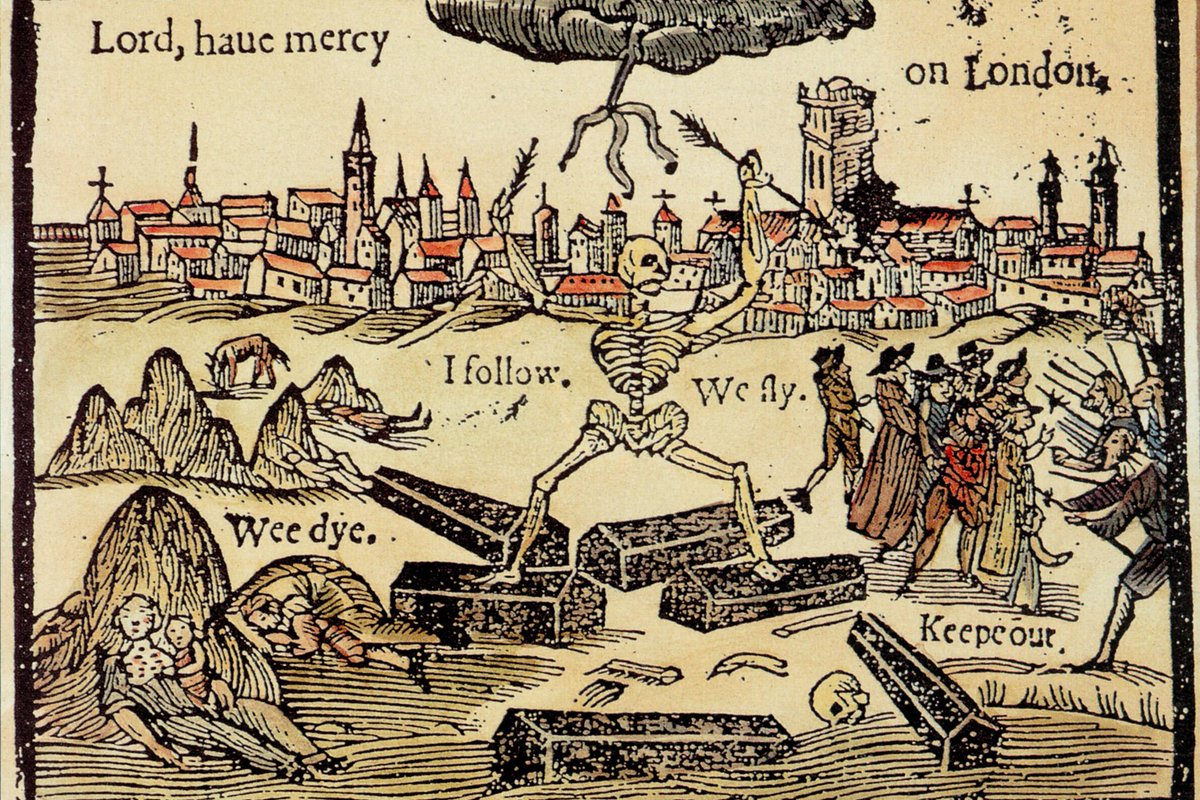
'Lord Have Mercy on London', woodcut depicting the plague, Thomas Dekker, 1625 public domain -
When Will arrived in London however it was not as a playwright but an actor; he continued to act even after his own play writing career took off, and there are several characters in his plays that historians believe he wrote with himself in mind to play the part.
-
The theatre scene in London was incredibly influential to the culture of London at the time and hence of all of Britain, but it was also quite small -- perhaps only 300 or 400 people were involved. They all knew each other. They formed partnerships and long-lasting rivalries.
-
So there are several characters in Will's plays that are clearly written for specific popular actors at the time, in addition to himself. He also references dialog from his fellow playwrights, sometimes to make fun of it, and sometimes just stealing it because it was good.
-
As an actor-turned-playwright Will was something new: previously plays had been written by "university boys". They looked down on Will for having not been to university, and regarded actors as "hired help". Will regarded actors as peers, and was popular with them as a result.
-
Theatre was popular with everyone in 1500s London: Will and his friends performed for Queen Elizabeth herself many times, but also the theatres packed in regular working folk: 2,500 people at a time, packed tightly, from nobility through the middle classes to working people.
-
Theatre competed with other popular forms of entertainment at the time, in particular cock fighting and the tremendously cruel bear baiting. In fact the same venues were often used to host events of all three kinds: the stage was not a permanent feature, but set up for the play.
-
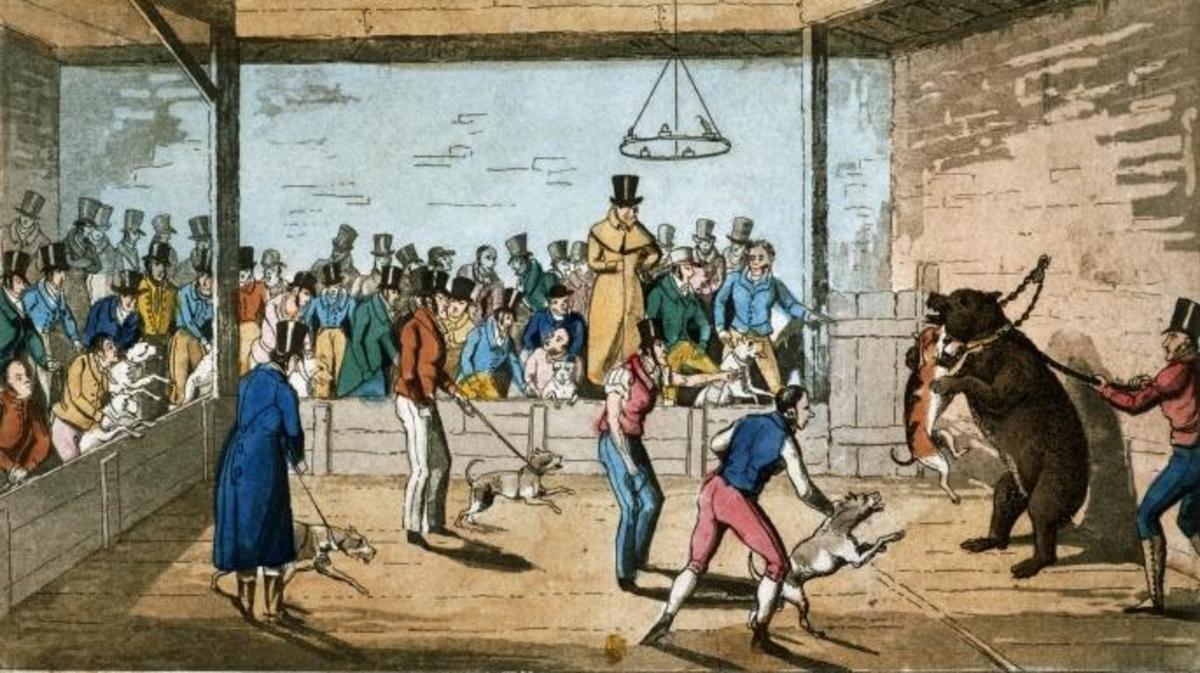
Bear-baiting scene, 19th century illustration of an Elizabethan pastime public domain -
To support such a broad spectrum of society was a huge writing challenge. Will's plays include references to classical Greek and Roman myths, but also crude sexual puns, musical breaks, fart jokes, silly dances, and lots of references to current events that we no longer get.
-
My favorite sexual pun in Shakespeare's plays is that the word "nothing" was at the time a slang term for a vagina, so the play "Much Ado About Nothing" would today probably be titled "Much Ado About Pussy". Everybody would have got the double entendre at the time.
-
Another surprise to me is that Shakespeare didn't just write his plays and move on: he was constantly writing and rewriting them. Like Leonardo Da Vinci (who also spent a lot of time creating things for theatre), he never considered anything finished.
-
Everyone was also constantly rewriting *other* people's plays. When Shakespeare did a play about King Lear a rival company would come out with their own on the same subject, and vice versa. Will wrote plays whose plots came from ballads that were popular at the time.
-
Modern movie studios do the same thing: if Harry Potter is popular half a dozen movies about magical kids will come out. If Twilight is popular there will be a dozen movies and TV shows about vampires. 16th century theatre, very much the movies of its day, did the same.
-
Another parallel between modern movies and 16th century plays is that people would illegally "pirate" them: somebody would attend the play, write down all the dialogue and make rough notes of stage directions, then go off and sell books of the play without permission.
-
And yet another parallel to movies is that there was censorship: before you could perform a play, you had to have it approved by the Master of Revels, a government official, and plays that were obscene or criticized the government would not be allowed unless changes were made.
-
And the final parallel to movies and 16th century plays is that they were ephemeral pop culture: like a movie that runs for a month until audiences tire of it and it is replaced, plays ran for just a few weeks before being replaced. After that, they might never be seen again.
-
Will has sometimes been accused of taking credit for other people's work. But if you write a movie based on Shakespeare, you're not taking credit, you're adapting earlier material. This is what Will was doing: reviving 10 and 20-year old plays, sometimes his *own* earlier work.
-
Some historians have pointed out that Will's plays bear a striking resemblance to older plays with unknown authors: of course they do. The older play is probably also by Will, but earlier in his career, when he wasn't as good a writer. So he came back later and polished it up.
-
One of the reasons it is hard to figure out whose plays are whose is because prior to Shakespeare, plays were considered to belong to the acting troupe who performed them (again like movie studios), so many plays didn't have authors' names, or were collaborations between writers.
-
Shakespeare however became a superstar, so like Leonardo Da Vinci, whose fame meant that anonymous painters became famous artists with names, Shakespeare created the idea that a play was written by a single, famous person, and belonged to that person.
-
Will's talent and fame were accompanied by shrewd business sense: he invested earnings in real estate, he took ownership stakes in play houses, and more. By the time he died he was a wealthy man, a respectable pillar of society. He left lots of money to his family and friends.
-
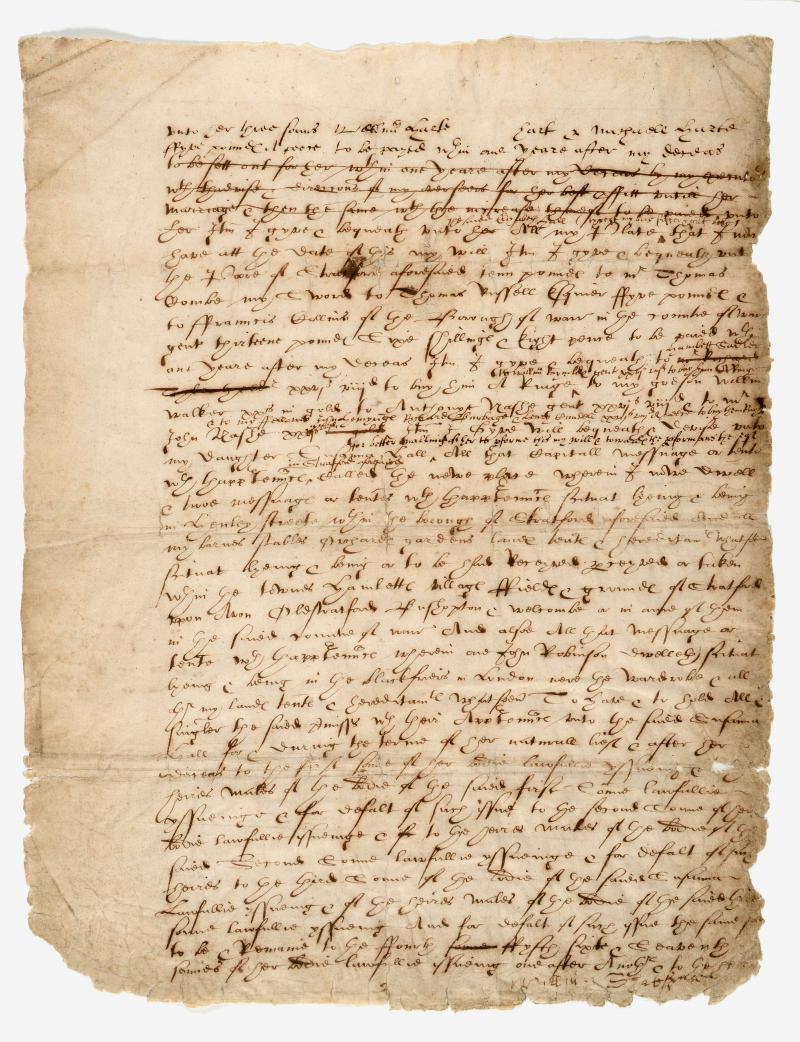
Shakespeare's property deed, c.17th century public domain -
It wasn't until after his death that Will's plays were collected, a labor of love by his fellow actors called the "First Folio". These are now regarded as the "official" versions of Will's plays, but that isn't how they were seen then. They were just the "latest" versions.
-
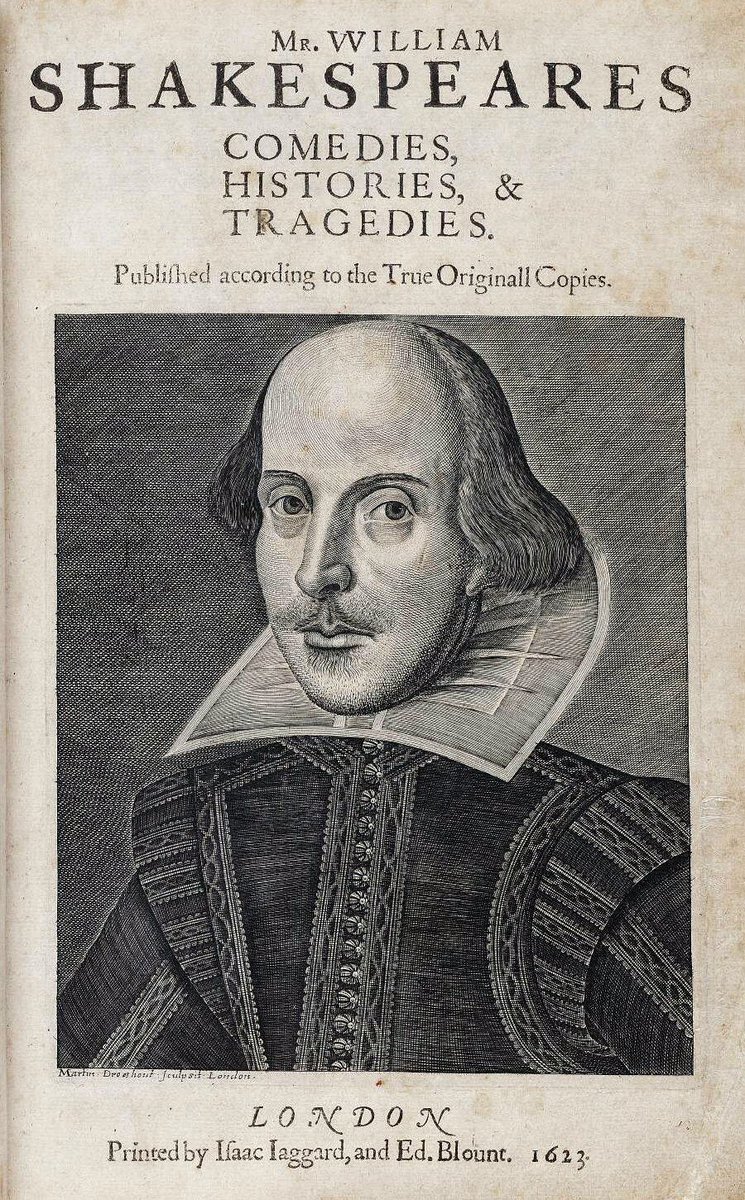
Title page of the First Folio of Shakespeare's plays, 1623 public domain -
Because it was viewed as ephemeral, entertainment of the month, an enormous amount of Shakespeare's work has been lost. He wrote a play called "The Taming Of A Shrew" before "Taming Of The Shrew". He wrote a sequel to "Love's Labour's Lost" called "Love's Labour's Won".
-
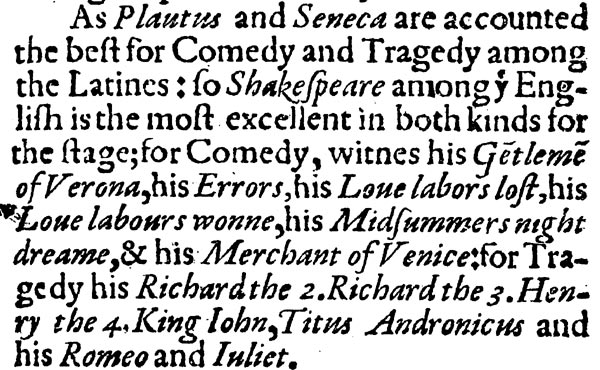
Contemporary printed reference to Shakespeare's plays, c.17th century public domain -
Particularly in his early career, Will was often called in by an acting troupe to fix one of "their" plays if it flopped, punching up the jokes or improving the dialogue. His actor friends did not consider these Will's plays, so they didn't include them, and they are lost.
-
One final note about Shakespeare is his sexuality: I have heard many, many times that Shakespeare was either gay or bisexual. And you know me, I love finding hidden gays in history, but the evidence for Shakespeare being anything but straight is VERY thin on the ground.
-
The key evidence -- almost the only -- evidence of same sex attraction in Shakespeare is a series of sonnets he wrote, some of which speak of an attraction to a young man. But these sonnets were not love letters; they were works of art, to entertain. They weren't *from* him.
-
The other fact frequently cited for Shakespeare being queer is that his wife was 8 years older than him (weak, sexist), and that he spent a great deal of time in London away from her. While he almost certainly slept with other women, there's just no evidence he slept with men.
-
Look, I want Will to be queer, I really do, but it's just not there. Men expressed male friendship in much more open and affectionate terms. People who work in the theatre are all a little fruity. He was a witty man, brilliant, unserious, unsentimental, and not gay. Sorry.
-
Shakespeare died aged 51, probably of water-borne disease rather than plague. His legacy is obvious: some of the world's most wonderful and famous plays, still performed and adapted hundreds of years after his death. But it's better to think of him in context.
-
The plays he wrote did not come from nowhere: they were adaptations of older material. Other plays, songs, myths, popular events. He took them and wove them together in new and wonderful ways. The way to honor Shakespeare is not to rigidly stick to his texts but to remake them.
-
So when you watch Ten Things I Hate About You (1999), based on Taming of the Shrew, you're not watching a new phenomenon. If Will was alive today, he would recognize what was done: a new writer had taken his work and updated it, as he himself did dozens of times to others.
-
When you watch My Own Private Idaho, ruthlessly smashing together several King Henry plays by Shakespeare with gobs of pop culture, this isn't some abomination, it's a tradition that started hundreds of years before Shakespeare and has continued unstoppably after him too.
-
All of this makes Shakespeare *more* impressive. Half the jokes in his plays we don't get any more! They're full of references we miss! He was competing with dozens of other writers in a boom industry of disposable pop culture! And yet his work stands out and still survives.
-
Shakespeare was an uncommonly productive man, writing entertainment for the masses. He mixed high minded themes with blood and gore and fart jokes. That plays intended to be thrown away a month after they were written have lasted 500 years is the real measure of his genius.
-
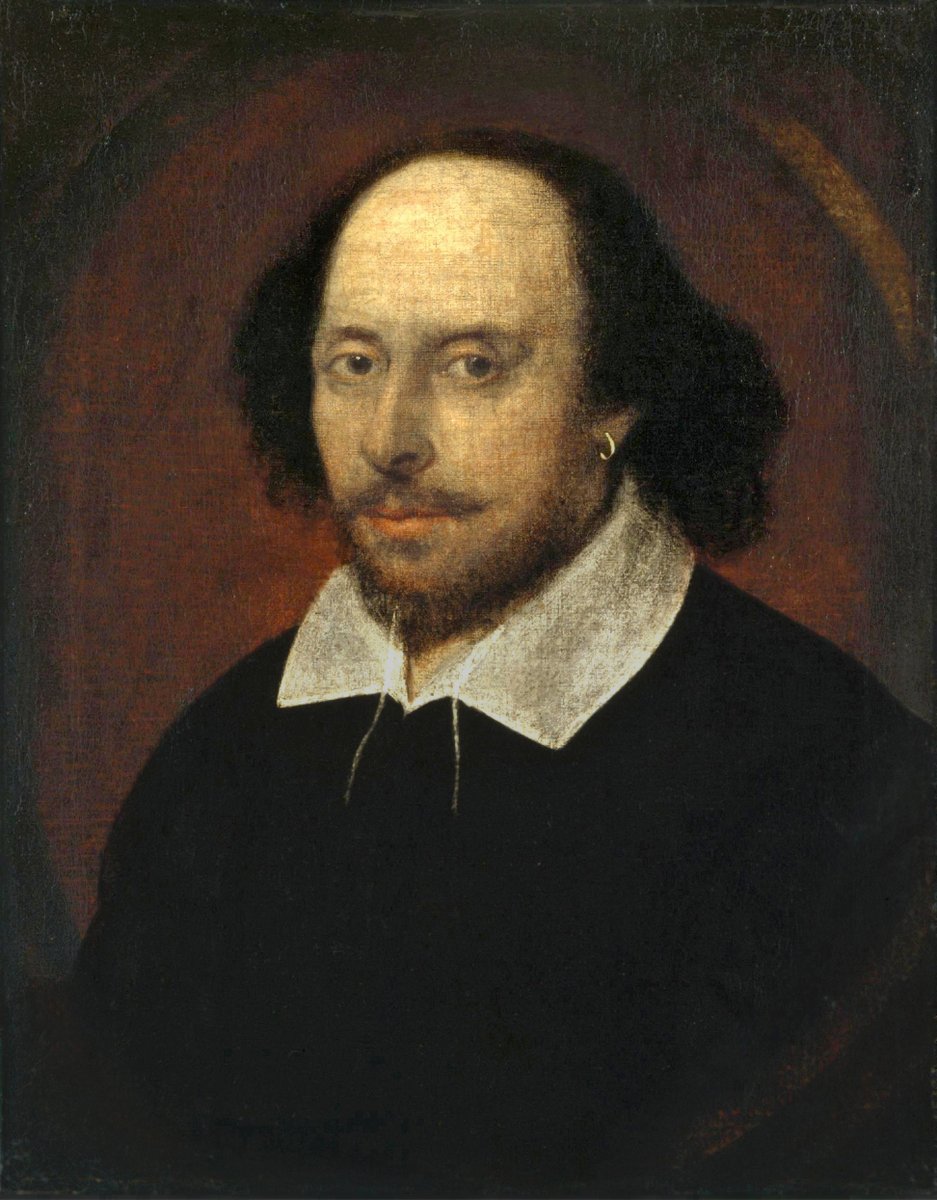
Portrait of William Shakespeare, the Chandos portrait, c.1600-10 public domain
- Previously: Tycho Brahe and Kepler
- Next: Galileo
- Full list
Text and images copyright © 2020-2023 Laurie Voss
except where indicated
except where indicated